
New name. Same products. Now at SurfaceGuardPro.com.
Call us today: 888.578.5573
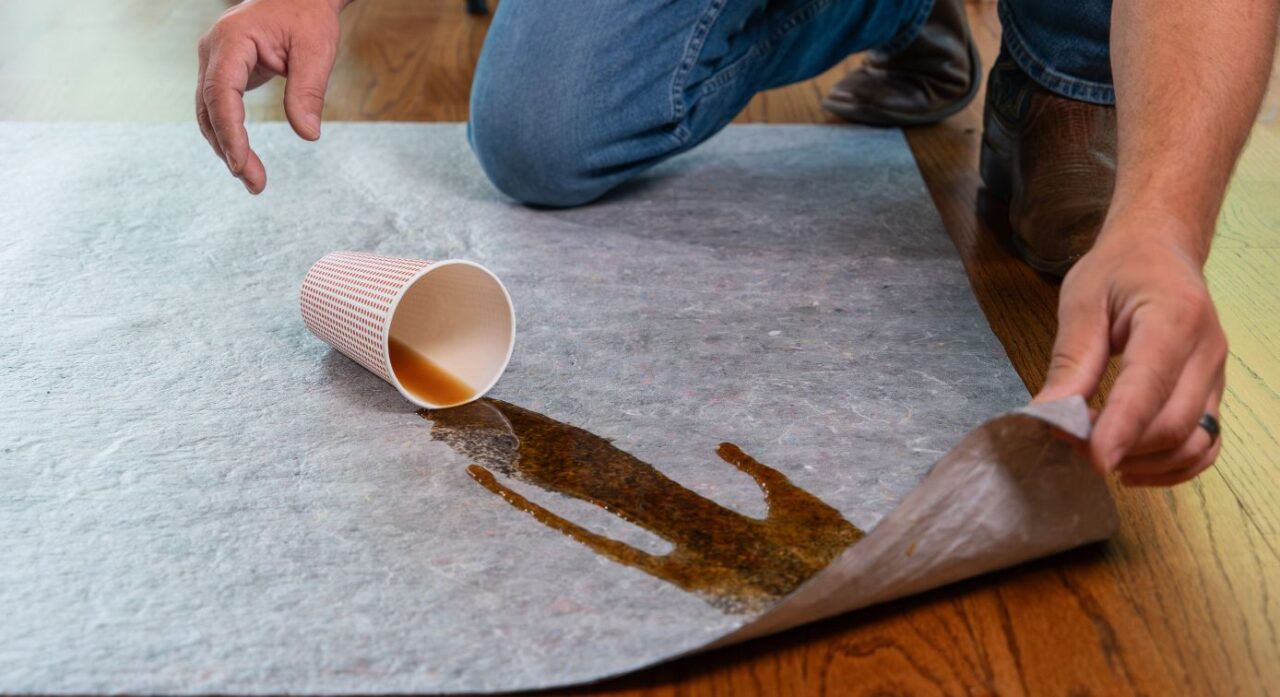
You just put real money into a floor. Maybe it’s freshly refinished hardwood. Maybe it’s new stone or tile. Now the trades are coming through with ladders, paint cans and muddy boots. You know the floor needs covering. The hard part is knowing which kind.
Choose wrong in one direction and a spill soaks through. Choose wrong in the other and you trap moisture against a surface that still needs to breathe, which can damage the finish you just paid for.
The short answer: If your surface is still curing or off-gassing, use breathable protection. If it isn’t, use leak-proof. If you’re not sure which one applies, ask the person who installed or finished the floor. They’ll know.
This guide walks you through a quick job check, shows which trades call for which type, and covers the ordering mistakes that catch people off guard. The advice comes from Lisa Skamser, who has helped contractors, remodelers, and homeowners protect their floors at KS International since 2001.
When someone calls us unsure which protection to order, this is the first thing we ask.
Newly finished and refinished floors keep off-gassing for a while after the work is done. Some surfaces are also still curing. Breathable protection lets that moisture and vapor escape. Leak-proof protection is built to hold liquid back, which means it can also hold moisture against a surface that isn’t ready to be sealed in. And trapped moisture can ruin the surface underneath.
That’s why the most important detail isn’t the trade walking through your door. It’s whether your floor is new or existing.
Here’s the simplest way to get your answer. Ask your flooring installer one question:
“When can we walk on this floor in sock feet?”
Your installer knows that timeline for your floor. The same goes for your tile or stone installer. Once the floor is sock-ready, breathable protection can go down and keep the project moving. Until your installer tells you the surface is done curing, don’t seal it under leak-proof protection.
Run through this before you order.
☐ Was the floor finished, refinished, or installed recently?
☐ Is it hardwood, concrete, natural stone, or grout that may still be curing?
☐ Has your installer given you a sock-ready date that hasn’t passed yet?
Checked any box? Start with breathable protection and confirm the timing with your installer.
Checked none? If the surface is existing and doesn’t need to breathe, leak-proof protection is the right call.
If water is part of the job, think leak-proof. These are the situations we point people to it most:
Leak-proof protection works on any surface that doesn’t need to breathe.
Choose breathable for any surface that still needs to off-gas or cure, including:
Breathable protection also guards against the dents and scratches that happen when trades are working on a brand-new floor. One of our customers put it this way:
“I was tired of subcontractors damaging our newly finished wood floors. This product is awesome. I can lay out runners one day after the floors are finished and keep the project moving. The best part? I just vacuum the runners and keep using them over and over again!”
– Jerry M., Embassy Homes
Every floor is different, so let your installer set your own sock-ready date.
| Your situation | Choose | Why |
|---|---|---|
| Plumbing or HVAC work on an existing floor | Leak-proof | Water is likely |
| Water damage cleanup nearby | Leak-proof | Keeps dry rooms dry |
| Winter foot traffic with mud and snow | Leak-proof | Stops wet tracking |
| Painting on an existing floor | Leak-proof | Stops drips and spills |
| Freshly refinished hardwood, now sock-ready | Breathable | The finish still needs to off-gas |
| New stone, grout or concrete still curing | Breathable | Moisture needs a way out |
| Paint crew on a newly finished floor | Breathable, or leak-proof during work hours only | See the next section |
This is where people get stuck. Your floor needs to breathe, but the crew coming in could spill. Here’s how to handle it.
Option 1: Keep breathable protection down. It slows a spill down. If something does spill, pull that section up right away so it doesn’t soak all the way through.
Option 2: Use leak-proof only while the crew is working. Lay it in the work area during the day and pull it up every night so the floor can keep off-gassing. The tradeoff is laying it out again each morning, but you get spill protection without trapping moisture.
Protecting your floor at all is a smart move. Choosing the right type matters just as much. Here’s how the wrong choice usually happens:
“It happens to all of us,” says Lisa. The good news: in more than two decades of conversations with customers, she hasn’t heard from one who learned this the hard way. This checklist is how you keep it that way.
☐ Know your surface type and whether it’s new or existing
☐ Ask your installer if it’s still curing and when it will be sock-ready
☐ Tell whoever places the order which type you need and why
☐ Check the product before it goes down on the floor
☐ On mixed jobs, assign a person to pull up leak-proof protection each night
Not while the finish still needs to off-gas. Use breathable protection once your installer says the floor is sock-ready.
When your installer says it’s ready for sock feet. They know the timeline for your specific floor.
It slows a spill down. Pull it up promptly so the liquid doesn’t soak through to the floor.
Yes, if the surface doesn’t need to breathe. New grout or stone that is still curing needs breathable protection.
You don’t have to guess. Tell us about your floor and the jobs on your schedule, and we’ll help you choose the protection that keeps your project moving and your floor safe. Shop SurfacePro® for floors that need to breathe, or Clean&Safe® for everything else. If you have questions, don’t hesitate to call us at 888.578.5573 or request a free sample.
Written with insights from Owner L. Skamser at KS International, Inc., the company behind SurfaceGuard Pro™. Since 2001, Lisa has helped contractors and homeowners choose the right floor protection.
Choose how analytics tools may collect data on this site. By continuing to use this site, you agree to the collection of tracking data as described in our privacy policy.