
New name. Same products. Now at SurfaceGuardPro.com.
Call us today: 888.578.5573
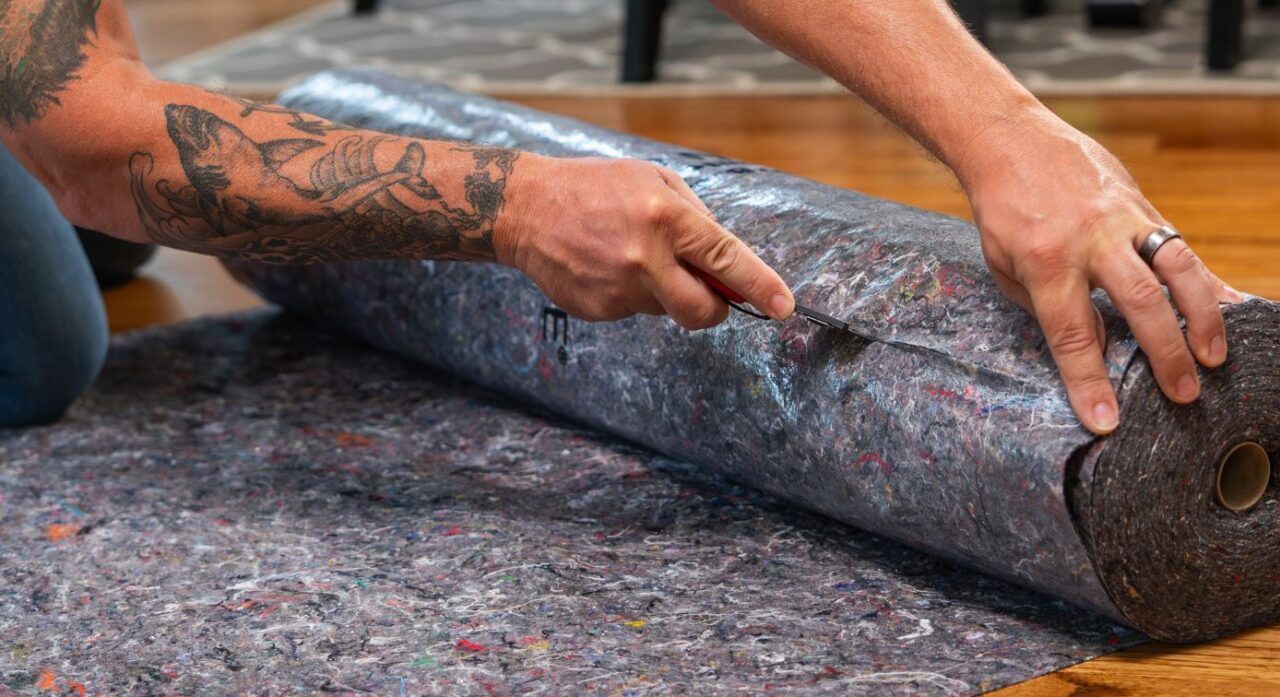
A scratched hardwood floor or a dented stretch of LVP can mean more than a repair bill. It costs you a return trip, a tense conversation with the homeowner, and profit you were already counting on. Floor protection helps you avoid those headaches.
The question is: Which type of floor protection gives you the best protection for your money?
The short answer: For most contractors working on high-value surfaces, reusable floor protection is worth it. The real value isn’t just how many jobs you get out of a roll. It’s how well it protects the floor throughout the job. Good protection stays in place, resists dents and leaks, and comes up without damaging the surface underneath. How many jobs you get from one roll depends on your crew size, project length, and how well you care for it between jobs. Let’s look at what affects its lifespan and how to calculate your cost per job.
“Each job is different. The bottom line is you need to protect the surfaces so you’re not going back to fix a problem that could have been avoided. You don’t want to be spending more money and time, which eats into your profit.”
– L. Skamser, Owner, SurfaceGuardPro™, a brand of KS International, Inc.
It depends less on the price tag and more on the floor you’re protecting. If you’re working over century-old floors, natural stone, hardwood, or premium LVP, the cost of surface damage can quickly outweigh what you’ve spent on protection.
Reusable protection may still be worth the investment, even if you use it only once. On a long project with heavy foot traffic, one roll typically protects the floor from start to finish. You typically won’t need to replace it halfway through the job. Some remodelers and builders even leave the protection in place so homeowners can move into their newly finished homes without scuffing or marking the floors.
SurfaceGuard Pro™ doesn’t track jobs per roll because usage varies by industry and project. Chimney sweeps, painters, and carpet cleaners often reorder once a year or every other year. Other repeat customers go several years between orders. A spill doesn’t necessarily mean a roll is finished. Some painters set a stained piece aside for less visible areas and use a cleaner piece on the next job. In many cases, customers reorder when the protection still does its job but no longer looks new.
“When the floor protection is still holding up and protecting the surfaces, but it’s no longer looking new, that’s when we suggest it’s probably time to reorder.”
– L. Skamser, Owner, SurfaceGuardPro™, a brand of KS International, Inc.
A few things can make a big difference in how long your roll lasts:
| Factor | Tends to extend reuse | Tends to shorten reuse |
|---|---|---|
| Crew size | One to three people | Larger crews with multiple subs |
| Job length | A few days or weeks | Long-duration projects |
| Foot traffic | Light traffic, single trade | Heavy traffic, multiple trades |
| Between-job care | Shaken out, vacuumed, folded or rolled | Left down until the end, then tossed |
| Accidents | Clean job | Paint spills or heavy staining |
It’s tempting to compare the price of a reusable roll with the price of a roll of paper or plastic, but the purchase price is only part of a bigger picture. Before deciding which option makes sense for your crew, consider:
“You’re looking for some kind of assurance that the surface will be free from damage when you’re done with the job.”
– L. Skamser, Owner, SurfaceGuardPro™, a brand of KS International, Inc.
You don’t need anyone else’s numbers to figure out whether reusable protection makes sense for your business.
Start with your own costs:
If you’re a small crew doing shorter jobs, you’ll likely get more uses out of each roll and lower your cost per job. If you handle large, long-running projects, it may make more sense to treat reusable protection as a one-project product and compare the options based on how well they protect the floor.
A little care between jobs can go a long way. Crews that get the most life out of their floor protection tend to follow a few simple habits:
That last step is easy to miss. Dust can build up on the backing and reduce its skid resistance. A quick wipe with a damp cloth can help restore the grip.
“If the backing gets dusty or dirty and begins to lose its skid resistance, you can wipe it with a damp cloth to remove any dust clinging to the plastic. It does take time, but it’s doable.”
– L. Skamser, Owner, SurfaceGuardPro™, a brand of KS International, Inc.
Your flooring protection is a reflection on you, so you want it to function properly and look good. Retire a roll when either of these is true:
Replace it immediately if you notice punctures, cuts, or tears. Once the material is damaged, that section may no longer protect the floor as intended. It definitely needs to be replaced, as the product is no longer leak-proof or skid-resistant in that area.
Consider replacing it when paint stains or loose fibers make it look worn. Clean, well-maintained protection shows homeowners you respect their home and take care of the worksite.
Reusable protection makes sense for many contractors, but it’s not the best choice for every situation. Knowing when it doesn’t fit can help you avoid spending money on a product you won’t get much value from.
Reusable protection often works well for painters, plumbers, HVAC techs, electricians, restoration crews, chimney sweeps, carpet cleaners, and custom builders or remodelers working in high-end homes.
Yes. Shake it out or vacuum it between jobs. If the backing starts to lose grip, wipe it with a damp cloth.
Typically not. Even on long, high-traffic jobs, one installation usually lasts through the project.
Yes. It’s a great choice for protecting hardwood, LVP, tile, stone, marble, carpet, and more.
Start by checking for holes, cuts, and tears. If the material is intact and clean enough for a homeowner’s space, it’s likely ready for another job.
Not sure which protection fits your surface or job? Browse our products or contact us to talk with a team member who has helped contractors match protection to the job since 2001.
Written with insights from L. Skamser, Owner of SurfaceGuardPro™, a KS International, Inc. brand. She has helped contractors and homeowners protect their surfaces since 2001.
Choose how analytics tools may collect data on this site. By continuing to use this site, you agree to the collection of tracking data as described in our privacy policy.